
This article addresses a common issue across the European Union: the absence of a neutral wire in switch boxes. If your switch box already has a neutral wire, this article does not apply to your situation.
Introduction
You've just installed a smart bulb on your ceiling and want to replace the traditional wall switch with an intelligent model. Your goal: create lighting scenes, schedule automations, and fully leverage your home automation setup. But then the problems begin: the switch disconnects regularly, the light no longer responds to commands, and your scenarios become completely unusable.
This malfunction stems from a recurring technical issue: the absence of a neutral wire in the switch box. This situation, common in many European installations, represents a real obstacle to developing your smart home.
In this article, I'll explore the technical causes of this problem and, more importantly, discover concrete solutions that comply with French electrical standards to solve it permanently.
Understanding the Fundamentals of Domestic Electricity
To grasp the issue, let's visualize electricity as a closed water circuit. Electric current requires two essential elements: an entry point (the live wire) and a return path (the neutral). Without both components, no circulation is possible.

In electricity, the live wire delivers energy while the neutral provides the return path to the installation. This closed loop allows current to flow and power your electrical devices.
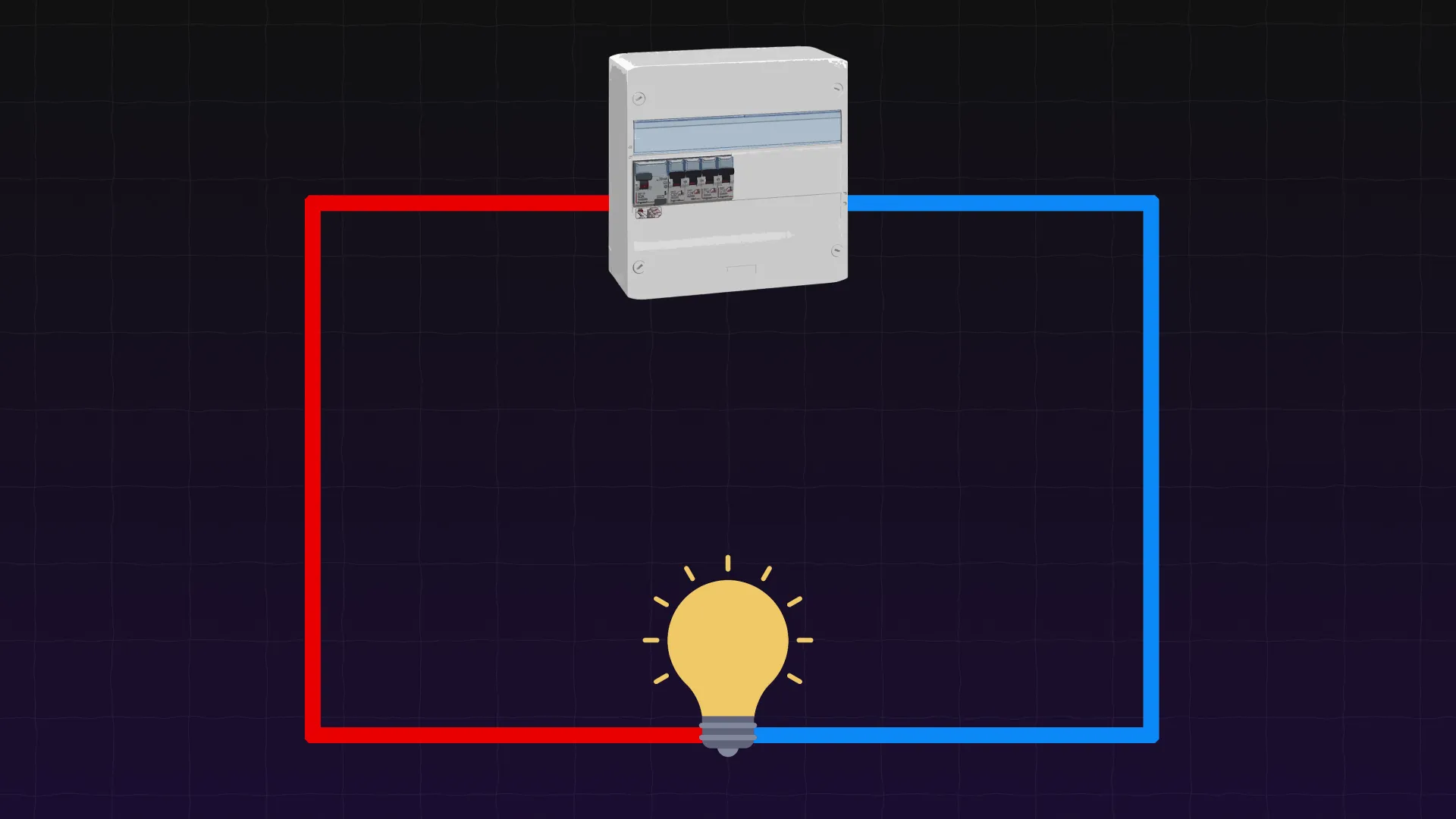
Household current operates on 50 Hz alternating current, meaning it changes direction 100 times per second. Despite this alternation, the principle remains the same: the live wire oscillates in voltage while the neutral remains at zero volts, creating the potential difference necessary for devices to operate.
Anatomy of a Traditional Lighting Circuit
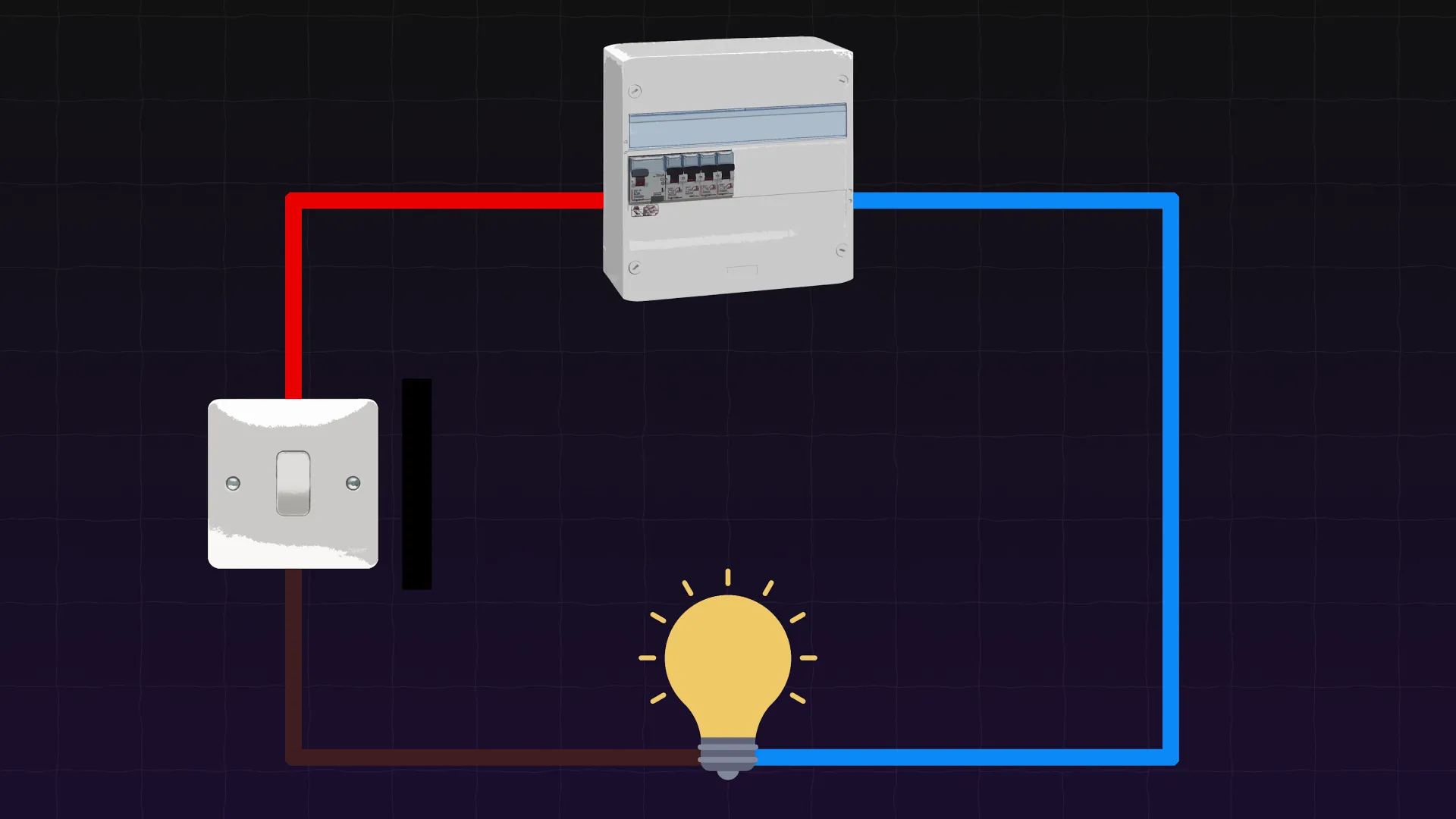
In a traditional electrical installation, lighting follows a precise scheme. The neutral runs directly from the electrical panel to the bulb, while the live wire goes down from the panel to the wall switch. A third wire, called the "lamp return," then runs from the switch back up to the bulb.
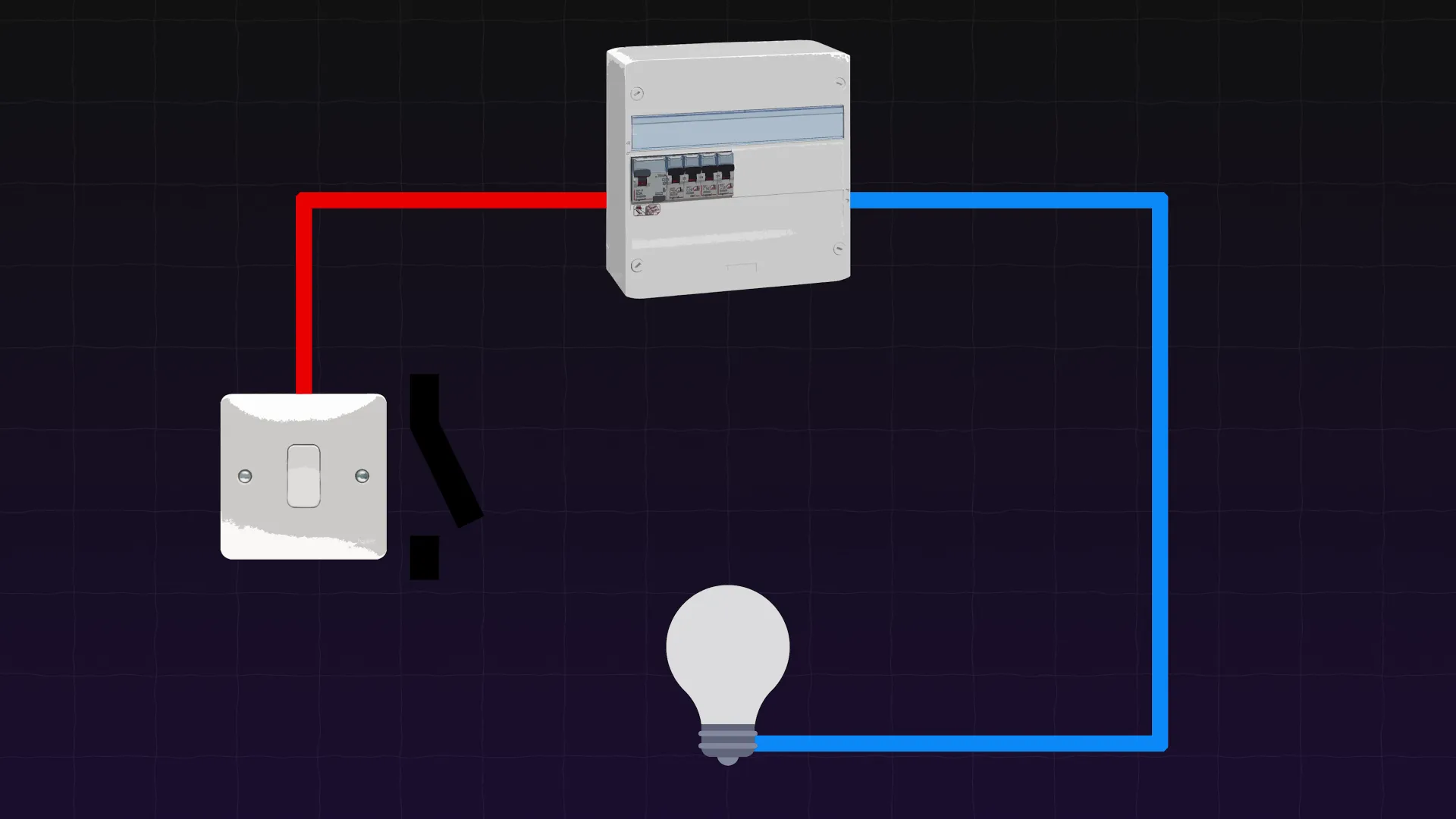
The wall switch acts as a simple mechanical switch on the live wire. When you activate it, it closes the circuit allowing current to flow. In this configuration, only two wires reach the switch box: the live wire and the lamp return.
Why Do Smart Switches Cause Problems?
Unlike mechanical switches, smart models incorporate power-hungry electronic components: processors, communication modules, and memory. These elements require permanent power to maintain network connectivity and process commands.
Without a neutral in the switch box, the smart device cannot form a closed circuit to power itself properly. It then attempts to "parasitize" the current flowing to the bulb, but this solution has significant limitations:
Intermittent operation: The switch can only draw power when the bulb is on and consuming sufficient current.
Frequent disconnections: As soon as the bulb turns off or operates at low intensity, the switch loses power and disappears from the network.
General instability: This situation creates cascading malfunctions affecting the entire smart home installation.
The Impact on Smart Bulbs
Using a smart switch in classic relay mode with an intelligent bulb creates major conflicts. By physically cutting the live wire, the bulb is completely deprived of power and disappears from the smart home network.
This approach cancels all the benefits of home automation: inability to send commands to the turned-off bulb, loss of scenarios and automations, risk of damage to electronic components, significant reduction in device lifespan.
Practical Solutions: Wireless Switches
The most effective method involves keeping the smart bulb permanently powered by directly connecting the live wire and lamp return with a Wago connector. The wall switch is then replaced with a wireless model that communicates only via radio signals.
The advantages of this solution are numerous: the bulb remains permanently connected to the smart home network, no constraints related to existing electrical installation, no electrical panel modifications needed, easy addition of other control points.
Product Focus: The NodOn Battery-Free Switch
The NodOn wireless switch revolutionizes the traditional approach by harvesting the user's mechanical energy. Each button press generates enough electricity to send a radio command, completely eliminating the need for batteries.
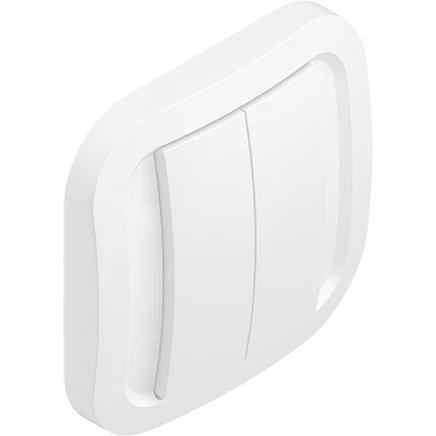 Interrupteur mural Zigbee Green Power sans fils sans piles CWS-4-1-00
Technical Specifications
Operation: Kinetic energy converted to radio signal
Connectivity: ZigBee protocol
Configuration: Two buttons, four possible actions
Installation: Screw or 3M adhesive mounting
Maintenance: No intervention required
Installation Guide
Before any intervention, always cut off the electrical supply at the panel to ensure your safety! Once this precaution is taken, remove the existing switch and clearly identify the two wires present: the live wire and the lamp return.
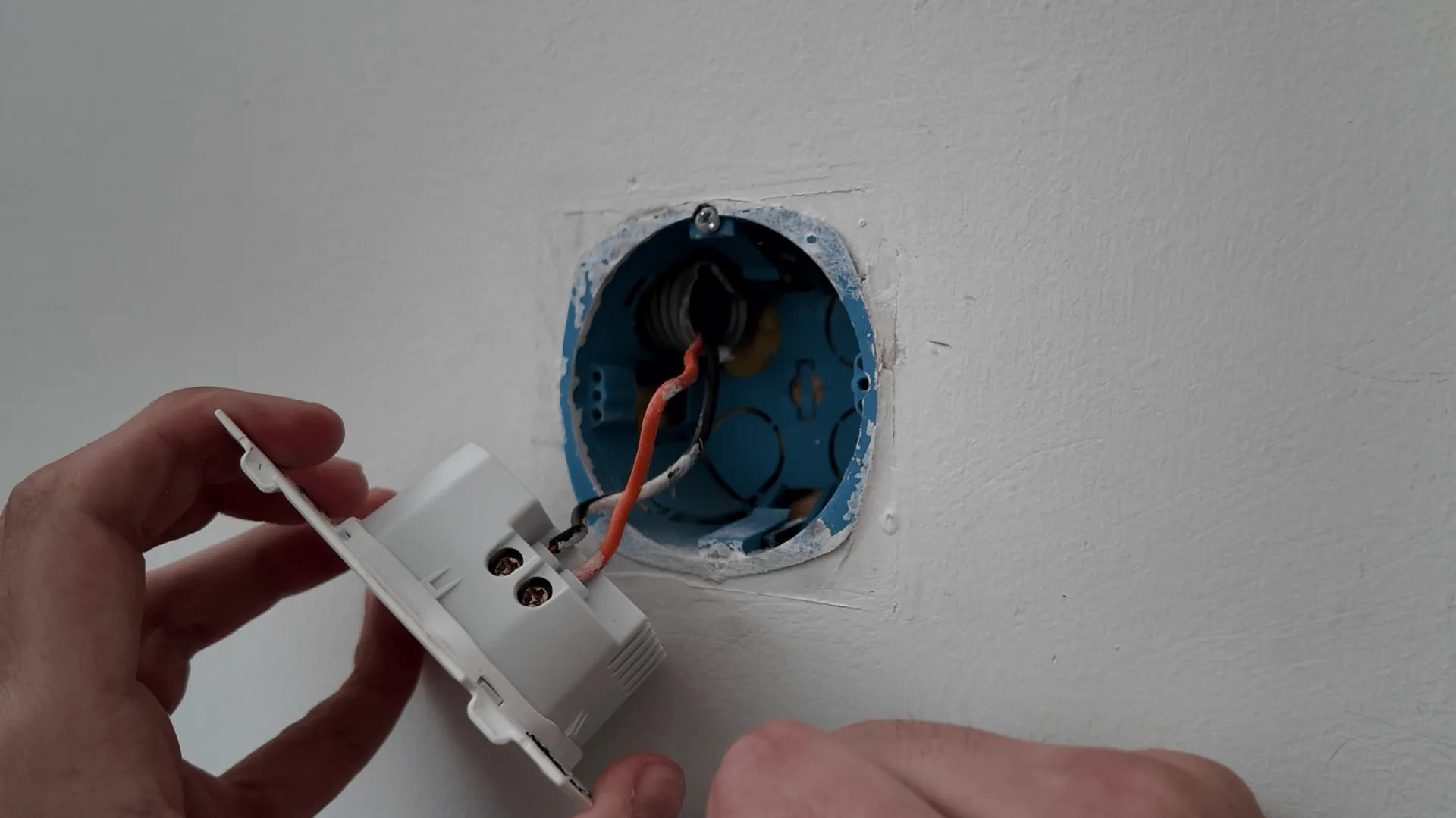
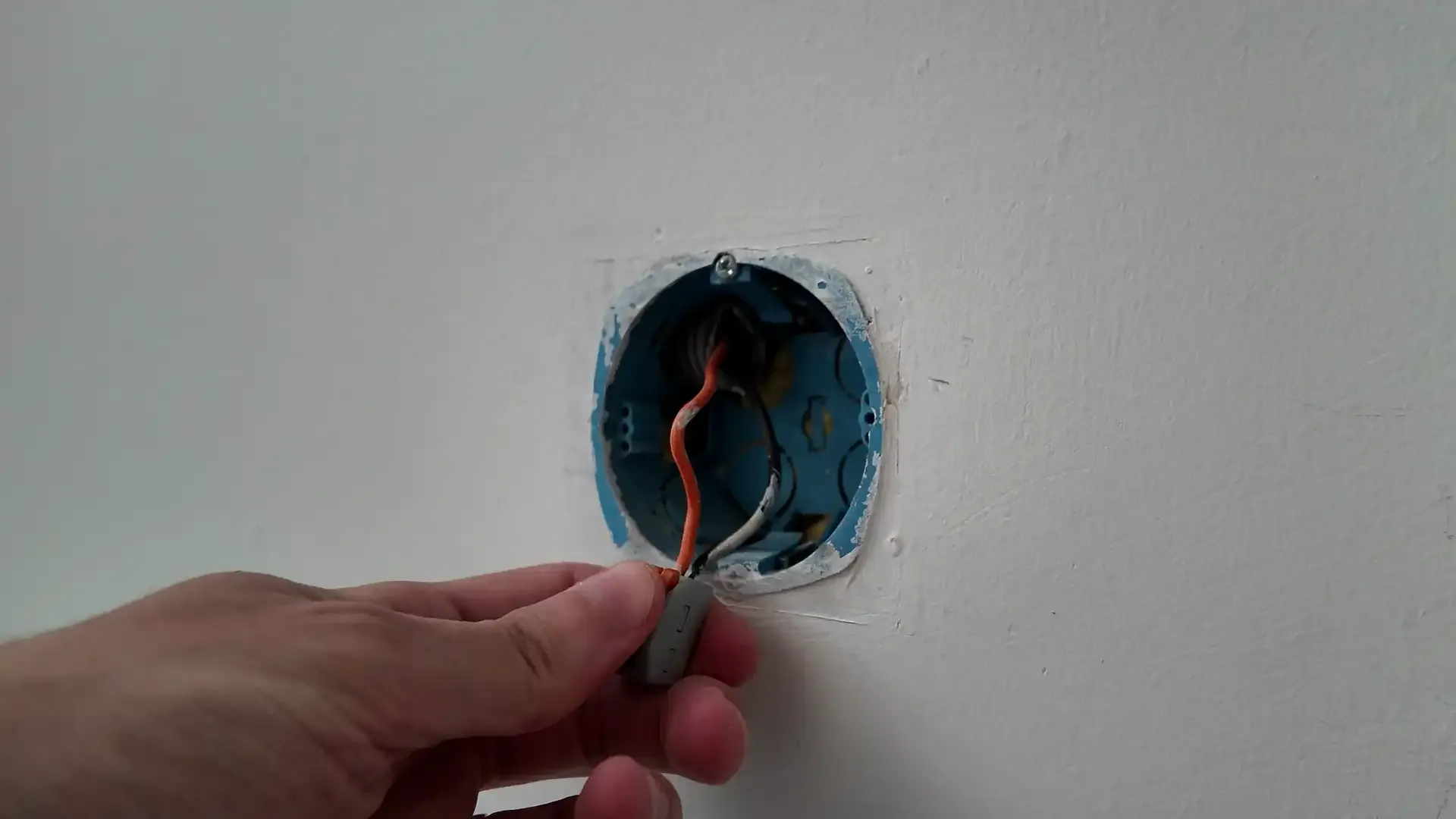
The next step involves electrically connecting these two wires. Use a Wago 222 series connector to securely link the live wire and lamp return. Check the quality of your connections before carefully placing the wires back in the flush-mounted box.
Then proceed with the actual installation of the NodOn switch by securing it with the provided screws. Once secured, restore electrical power at the panel and verify proper bulb operation to ensure the connection was successful.
ZigBee Configuration: The Pairing Procedure
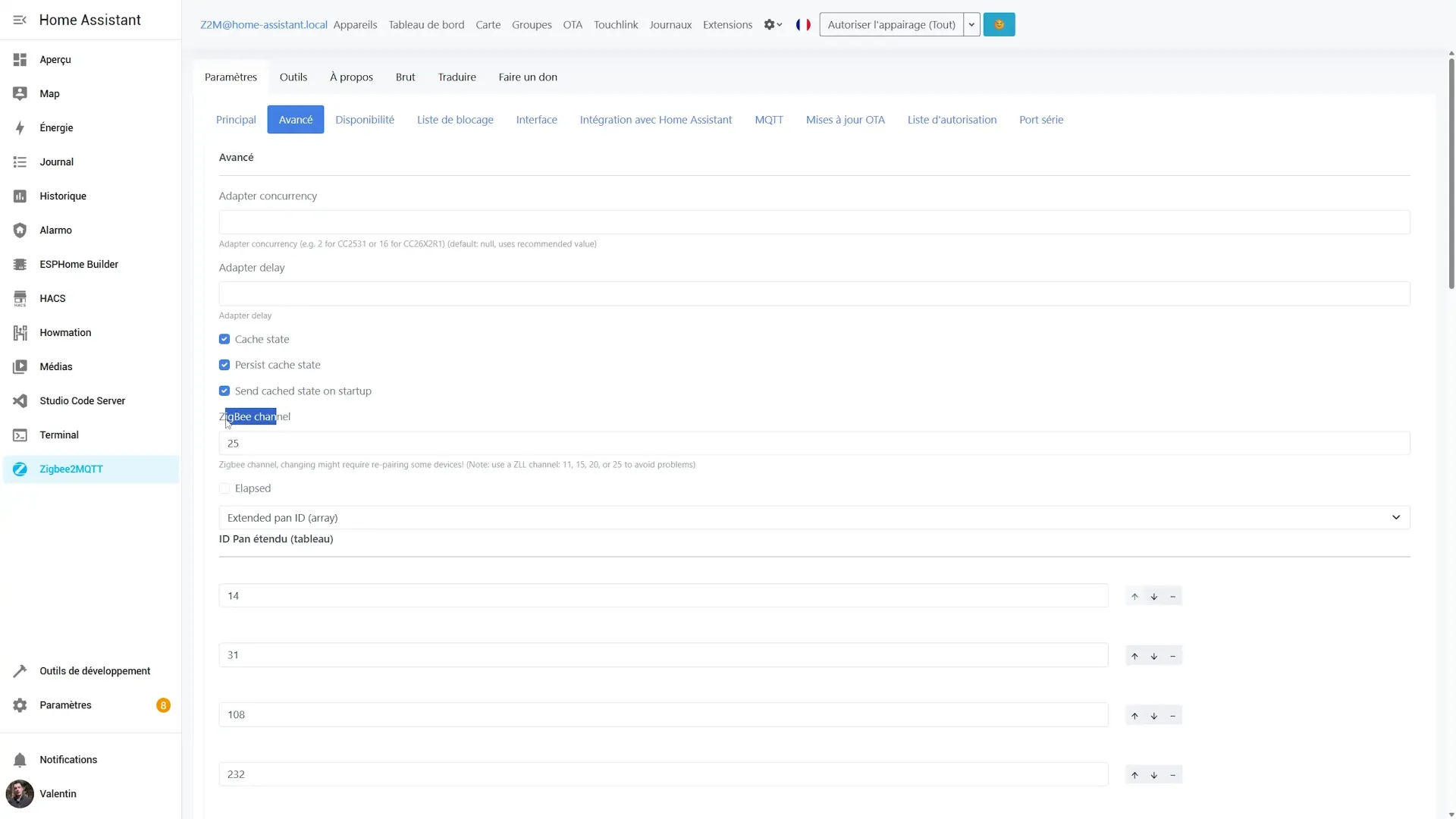
The ZigBee protocol uses different communication channels to optimize network performance. The NodOn switch offers four pre-optimized channels (11, 15, 20, 25) corresponding to the device's buttons.
With ZigBee2MQTT:
- Access Settings
- Select the Advanced tab
- Note the "ZigBee Channel" value
Pairing Procedure
Phase 1: Activate pairing mode on your ZigBee coordinator
Phase 2: Hold down the button corresponding to your channel for 7 seconds
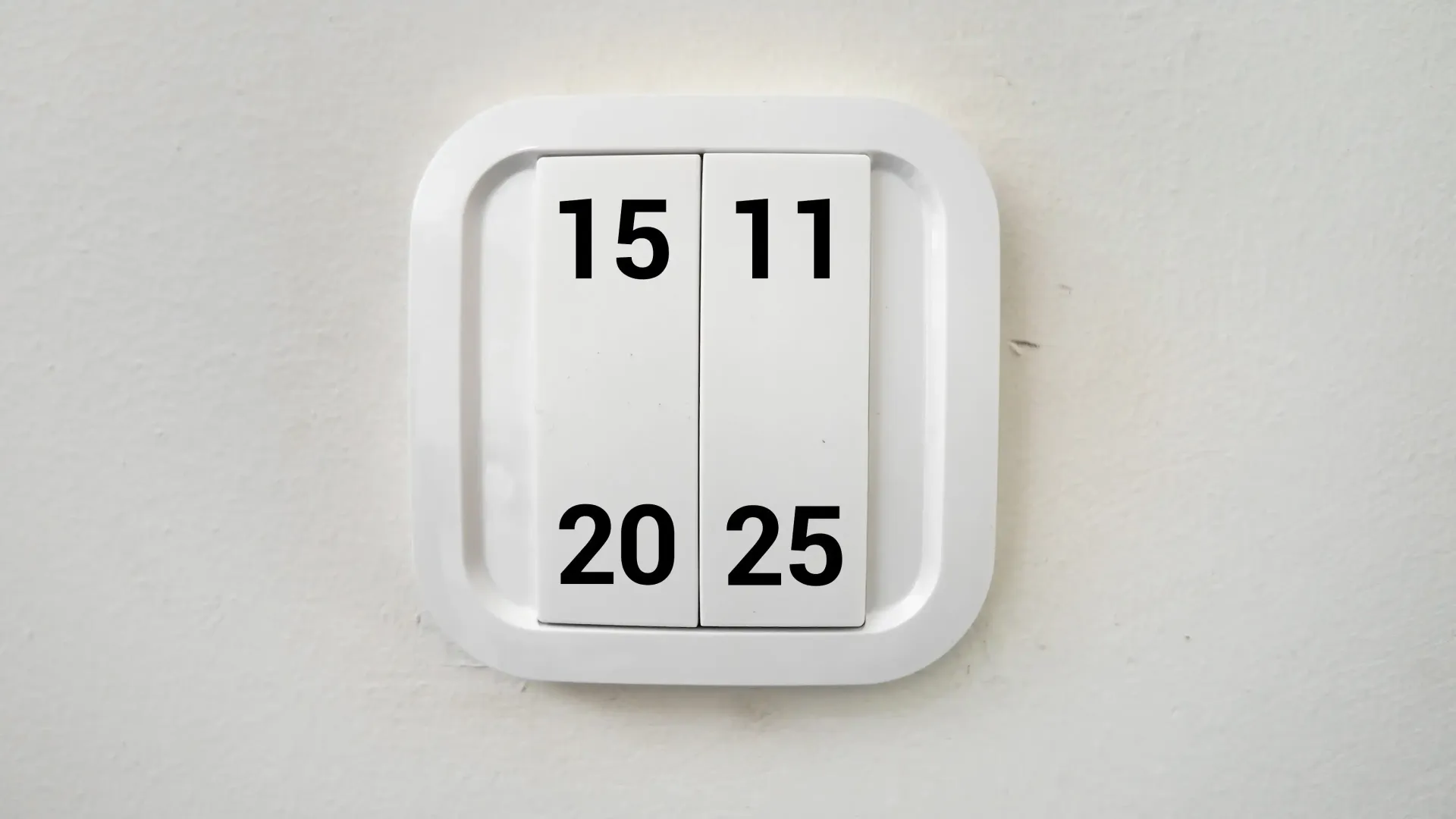
Phase 3: Confirm the addition by simultaneously pressing the top-right and bottom-left buttons
Phase 4: Verify the device appears in your smart home interface
Operation and Automations
With the smart bulb maintained under permanent power, you can now fully exploit your smart home installation's capabilities. It becomes possible to create complex lighting scenes, program sophisticated time-based automations, and adapt lighting to circadian rhythms to improve your well-being. Integrating lighting into global scenarios occurs without constraints, as does remote control of intensity and color.
This solution adapts particularly well to complex installations such as two-way switching circuits, multiple lighting systems, or integration into extended smart home ecosystems. The flexibility offered by the absence of wired constraints opens new perspectives for layout and control.
Economic Analysis and Return on Investment
The NodOn switch is priced under €50, with regular promotions bringing it closer to €40. This price includes zero maintenance, exceptional lifespan, and the definitive resolution of the neutral problem. The investment quickly justifies itself through the elimination of recurring malfunctions and the stability brought to the entire system.
Compared to competing solutions like the Philips Hue Dimmer Switch, the NodOn switch offers better aesthetic integration, universal compatibility, and above all, no ecosystem constraints. This versatility represents a considerable advantage for users wishing to maintain their freedom of choice regarding connected equipment.
Conclusion
The absence of neutral in European electrical installations should no longer be an obstacle to smart home adoption. Wireless switches, particularly the NodOn model presented, offer an elegant technical solution that complies with standards and is economically viable.
This approach transforms a technical constraint into an innovation opportunity, allowing smart home enthusiasts to fully exploit their connected installations. The initial investment quickly justifies itself through the stability brought to the system and the elimination of maintenance costs.